Better health with science, chemistry and common sense
For adults who already do the basics and want to make an extra effort – without the hype.


Measure first: test, don't guess
Supplements are popular, but more is not automatically better. The NIH Office of Dietary Supplements notes that a blood test is one way to know whether you get enough vitamin D, and that a doctor can test your vitamin B12 level. Some supplements also interact with medicines – vitamin K with the blood thinner warfarin, for example.
Read Biochemistry and values →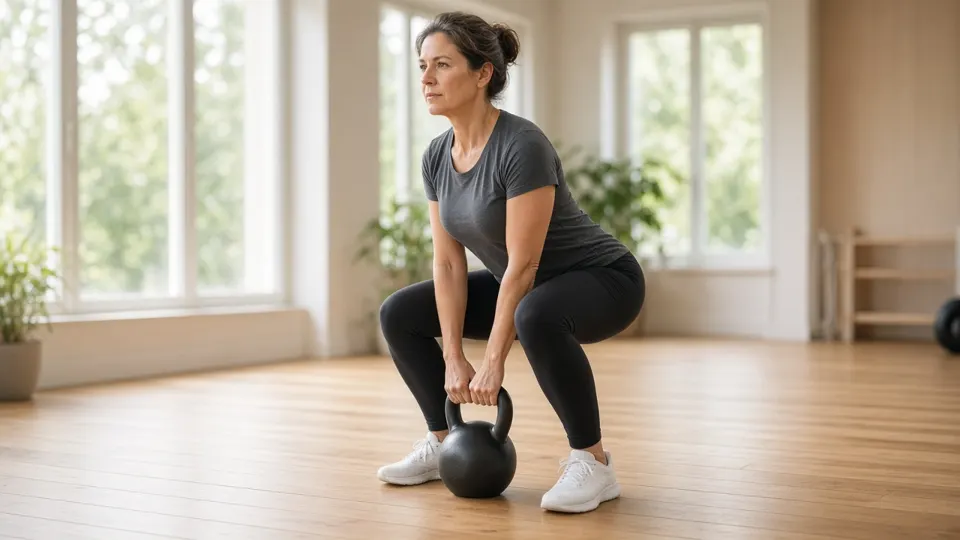
Move: strength, balance and cardio
The 2018 Physical Activity Guidelines for Americans say adults need at least 150 to 300 minutes of moderate-intensity aerobic activity a week, plus muscle-strengthening activity on at least 2 days a week. For older adults, physical activity also lowers the risk of falls and injuries from falls.
Read Training →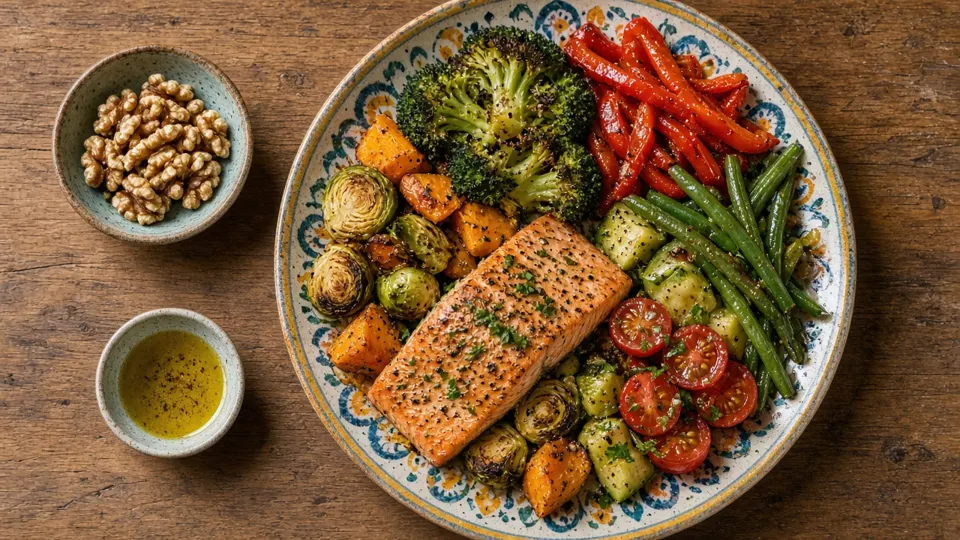
Eat: real, colourful food
The WHO recommends a varied diet with plenty of fruit and vegetables, limiting free sugars to less than 10% of daily energy, and choosing unsaturated fats (found in fish, nuts and olive oil, among others) over saturated fats. A 2024 umbrella review in The BMJ, covering almost 10 million participants, found that greater exposure to ultra-processed food was associated with higher risks of several adverse health outcomes.
Read Food →Health disclaimer: This page is general information, not medical advice. It does not diagnose, treat or replace your doctor. Talk to a doctor or pharmacist before you change medicines, start supplements or begin a new training programme, especially if you have a health condition, take medication, or are pregnant.
Most adults don't need another miracle product. They need a few sensible habits, done consistently, and a way to check whether they are working. This site is for people who already do the basics and want to make an extra effort – without falling for hype.
The approach has three parts: measure, move and eat. Each part is built on public sources such as the NIH Office of Dietary Supplements, the World Health Organization, the 2018 Physical Activity Guidelines for Americans, the PREDIMED trial and a 2024 umbrella review in The BMJ. Every page lists its sources at the bottom, so you can read them yourself.
Where are you starting from?
A good first step is to get a baseline. The free biological age calculator on vo2max.io gives you an estimate based on your fitness. It is not a medical test, but it is a useful number to re-check after a few months of training.
A practical way to start this week
- Book a routine check-up and ask your doctor which blood tests make sense for you.
- Schedule two short strength sessions and one interval session in your calendar.
- Swap one ultra-processed snack a day for fruit, vegetables or a small handful of nuts.
- Write down how you feel and what you did. Small notes make progress visible.
FAQ
Is this site medical advice? No. It is general information with sources. Always talk to your doctor before you start supplements, change medicines or begin hard training.
Do I need supplements to be healthy? Not necessarily. The NIH Office of Dietary Supplements says people should get most of their nutrients from food and drink, and that supplements are useful when needs can't be met otherwise. Testing helps you find out.
How much exercise do adults need? The 2018 US guidelines say at least 150–300 minutes of moderate aerobic activity a week plus muscle-strengthening on at least 2 days.
What is the single biggest food change? There is no single answer, but cutting down on ultra-processed food and eating more fruit and vegetables is backed by both WHO advice and the BMJ 2024 umbrella review.
Full disclaimer
The content on bioagecoaching.com is for general information and education only. It is not medical, nutritional or pharmaceutical advice and does not replace an examination, diagnosis or treatment by a qualified health professional. Never ignore professional medical advice or delay seeking it because of something you read here. Do not start, stop or change any medicine or supplement without speaking to your doctor or pharmacist. Supplements can interact with medicines and can be harmful in high doses. Exercise carries a risk of injury; if you have heart, lung, joint or other health problems, or if you feel chest pain, dizziness or unusual shortness of breath, stop and seek medical help. Coaching offered through this site covers training programmes and follow-up only and is not medical care. Sources are listed in good faith and were checked in October 2026; research changes, so read the original sources.
Sources
- NIH Office of Dietary Supplements – Vitamin D fact sheet: https://ods.od.nih.gov/factsheets/VitaminD-Consumer/
- NIH ODS – Vitamin B12: https://ods.od.nih.gov/factsheets/VitaminB12-Consumer/
- NIH ODS – Vitamin K: https://ods.od.nih.gov/factsheets/VitaminK-Consumer/
- US Department of Health and Human Services – Physical Activity Guidelines for Americans, 2nd edition (2018), Top 10 things to know: https://health.gov/our-work/nutrition-physical-activity/physical-activity-guidelines/current-guidelines/top-10-things-know
- WHO – Healthy diet fact sheet: https://www.who.int/news-room/fact-sheets/detail/healthy-diet
- Lane MM et al. Ultra-processed food exposure and adverse health outcomes: umbrella review. BMJ 2024;384:e077310: https://www.bmj.com/content/384/bmj-2023-077310

Train with Flemming
Former elite cyclist and master runner (5000 m and 10 000 m).
- Personal running or cycling training plan
- Weekly follow-up – I look at every session you log
- First month free, no binding period (via Everfit)
$45 / £45 per month
Request coachingPhoto: HBGM